Edition #6 | Your Sustainability Team’s Weekly Briefing

Get This in Your Inbox Every Week.
Like what you read? Get it delivered. Every week, our newsletter brings you the same business-focused sustainability briefing, straight to your inbox. Subscribe below and stay ahead.
Estimated reading time: 7 minutes
Corporate Water Risk · Biodiversity Credits · Carbon Markets
Welcome to your weekly sustainability briefing. This week, we’re covering three developments that matter for businesses operating in an environment where nature-related risk is moving faster than most corporate strategy can keep up with. Water stress is already generating measurable financial losses, and a new global framework is bringing corporate water accountability into the same conversation as carbon. Biodiversity credits are transitioning from concept to emerging market, and the window to engage before regulatory mandates arrive is narrowing. And the voluntary carbon market is expanding rapidly, but splitting sharply on quality in ways that make procurement decisions made today materially different from those made a year ago.
Story #1: Corporate Water Risk: The Financial Case You Can’t Ignore
A new global framework is bringing water into the same strategic conversation as carbon.
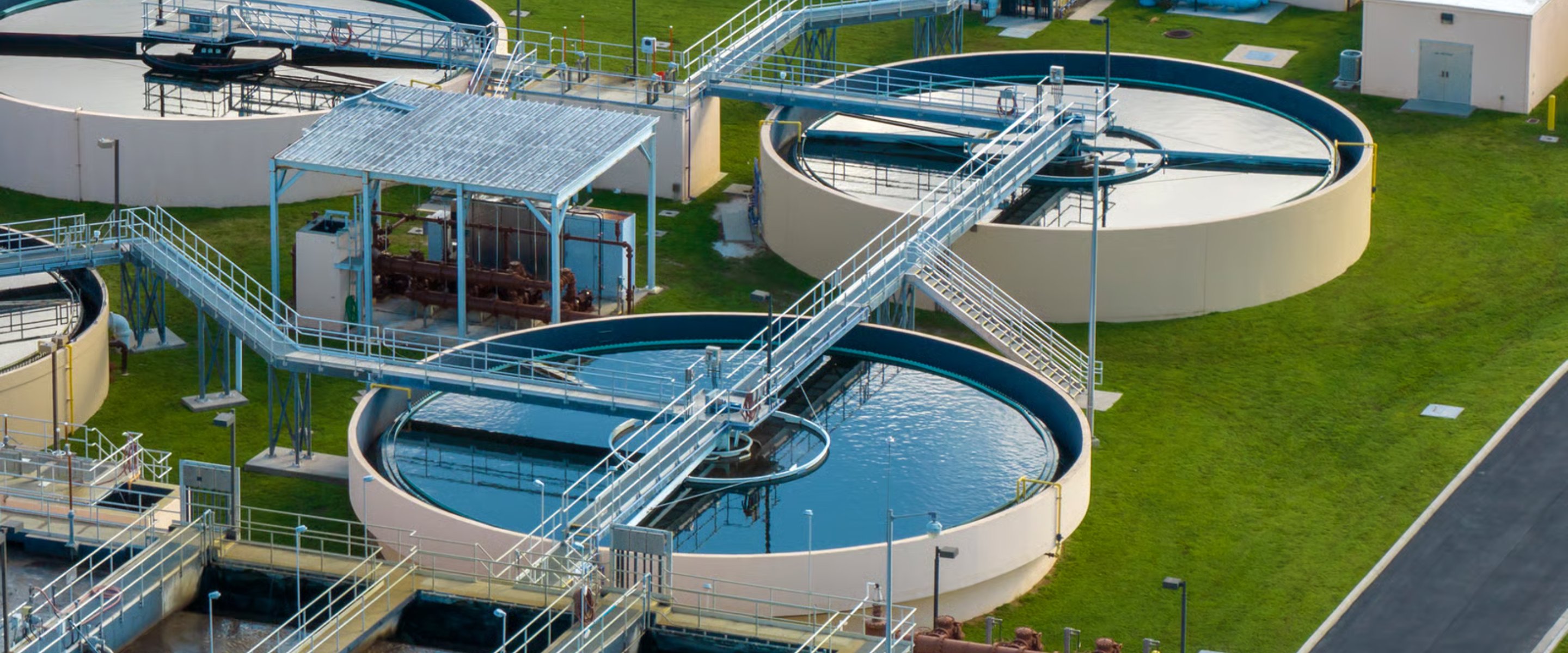
Businesses have already reported $38.5 billion in direct water-related financial losses in a single year, and companies disclosing through CDP collectively face up to $301 billion in business value at risk if water exposure goes unaddressed, against a mitigation cost of just $55 billion. The challenge is that water risk has historically been harder to standardize than carbon; it’s inherently local, basin-specific, and poorly captured by aggregate withdrawal figures.
On April 30, 2026, a coalition of SCS Global Services, WRI, WWF, and the CEO Water Mandate announced an initiative to develop the first standardized framework for measuring corporate water risk across entire value chains, modeled directly on the Greenhouse Gas Protocol. The regulatory direction is equally clear; CSRD’s ESRS E3 standard now requires basin-level water disclosure, and investor pressure through CDP and the TNFD is accelerating. The priority is facility-level risk assessment using tools like WRI Aqueduct and WWF Water Risk Filter, and beginning to close the supply chain gap: while 70% of disclosing companies map their value chain water exposure, 73% only look as far as Tier 1 suppliers, leaving substantial risk further back in the chain.
| Business Impact Water risk is no longer a future planning item, the financial exposure is already accumulating. Sustainability teams should treat water with the same strategic urgency as carbon: map it, measure it at the basin level, and start building the internal case for investment before regulatory mandates force a reactive approach. This is one of the most compelling business arguments available to teams trying to secure leadership buy-in right now. What Businesses Can Do: • Conduct a facility-level water risk assessment using free tools like WRI Aqueduct or WWF Water Risk Filter and identify which of your sites sit in high- or extremely high-stress and prioritize those for deeper operational review • Begin tracking against the CDP Water Security questionnaire even if disclosure isn't yet mandatory, it structures internal data collection and benchmarks against peers • Monitor the Water Scopes 1-3 framework development (final guidance expected Q4 2027) and participate in the public comment period at month 12 Prepare a board-ready briefing framing water risk in financial terms: operational disruption cost, asset stranding potential, and the cost-of-inaction vs. cost-of-action ratio |
Story #2: Biodiversity Credits Are Coming. Is Your Team Ready to Engage?
What you need to know before buying biodiversity credits.

The biodiversity credit market is attracting serious attention from corporate buyers, but purchasing activity remains minimal. The total volume of traded voluntary biodiversity credits is estimated at less than USD 2 million, generated by just a handful of projects. Supply is gradually emerging, but demand remains subdued as corporate interest has yet to translate into widespread purchasing.
According to Climate Policy Initiative research, the hesitation comes from several compounding barriers: a lack of standardization around what a biodiversity credit actually represents, spillover reputational concerns from the carbon market's integrity challenges, and a strong preference among leading companies for insetting within their own supply chains rather than purchasing external credits. Three factors are most likely to unlock demand at scale: growing reputational pressure on companies with significant nature impacts, a preference among early buyers for projects located near their own supply chains or headquarters, and most importantly, regulatory mandates. As seen with the voluntary carbon market, clear reporting requirements can be among the most powerful drivers of mass corporate uptake.
Business Impact The biodiversity credit market is at the stage to understand it, test it selectively, and position your organization ahead of the regulatory curve. Companies that wait for mandates will face the same scramble that many did with carbon, building capability and infrastructure under pressure. The smarter move is to engage now while the market is still being shaped. What Businesses Can Do: • Map your company's nature dependencies and impacts using the TNFD LEAP approach. This is the foundation for any future biodiversity strategy, whether or not credits are involved • If you operate in the agrifood, forestry, or extractives sectors, assess whether biodiversity credit generation within your supply chain could be a viable near-term pathway • Follow the Biodiversity Credit Alliance's standardization work and the CBD's guidance closely; understanding what a credible credit looks like will protect you from greenwashing risk when the market matures • Begin tracking TNFD and SBTN disclosure timelines relevant to your industry so biodiversity strategy development runs ahead of, not behind, reporting requirements |
Story #3: The Carbon Credit Market Is Heading Toward $5 Trillion
Your procurement strategy needs to reflect where prices are going, not where they've been.

The global carbon credit market was valued at $1,142.40 billion in 2024 and is projected to reach $4,983.7 billion by 2035, growing at a CAGR of 18% over the forecast period. Corporate demand is a primary engine of that growth, in 2023 alone, companies retired 161 million carbon credits, and over 5,200 firms have adopted Science Based Targets, aligning their emissions reduction strategies with climate science. The market is also bifurcating sharply by quality; low-cost renewable energy credits trade at as little as $1–$2 per tonne, while premium nature-based credits from forest conservation and reforestation projects command prices above $12 per tonne, reflecting demand for credits with stronger co-benefits and verification.
A structural shift is also underway in how carbon credits are treated financially with the emergence of exchange-traded futures contracts and over 15 specialized carbon investment funds in 2023, signalling a growing institutional appetite for carbon as a financial tool.
| Business Impact The carbon market is maturing quickly, and the decisions sustainability teams make today about credit quality, procurement strategy, and portfolio composition will have real financial consequences as the market bifurcates further. Low-quality credits are becoming a reputational and financial liability; high-quality, permanent, nature-based and tech-based credits are appreciating as assets. What Businesses Can Do: • Audit your current or planned carbon credit portfolio against quality criteria: additionality, permanence, co-benefits, and third-party verification, not just price per tonne. Prioritize credits aligned with the Core Carbon Principles (ICVCM) and registries with strong verification track records. • Establish an internal carbon price that reflects the trajectory of high-quality credits, not today's floor prices • Build a forward-looking credit procurement plan rather than buying reactively, with 5,200+ companies aligned to SBTs and the market growing at 18% CAGR, the supply of high-quality credits will tighten |
The developments in this edition reflect a market that is moving fast, and rewarding the businesses that move with it. If any of this week's stories raised questions about your organization's climate strategy, carbon commitments, or regulatory exposure, CarbonBetter is here to help you work through them. Get in touch with our team and let's talk about where you stand. And if you found this briefing useful, subscribe to our weekly newsletter with the same analysis, business impact guidance, and the sustainability insights your team needs to stay ahead, directly into your inbox.