Edition #9 | Your Sustainability Team’s Weekly Briefing

Get This in Your Inbox Every Week.
Like what you read? Get it delivered. Every week, our newsletter brings you the same business-focused sustainability briefing, straight to your inbox. Subscribe below and stay ahead.
Estimated reading time: 7 minutes
Amazon’s Carbon Deal · EPA Reporting Rollback · State Polluter Pays Laws
Welcome to your weekly sustainability briefing. This week, we’re covering three developments that matter for businesses operating in an environment where climate accountability is moving faster than most corporate strategy can keep up with. Amazon just closed a 1.95-million-ton carbon removal offtake that didn’t just buy credits, it unlocked the project financing to build them. The EPA is moving to scale back the Greenhouse Gas Reporting Program that 8,000 of America’s highest-emitting facilities have relied on for over a decade, and industry itself is warning that losing a unified federal standard could raise compliance costs rather than cut them. And nearly a dozen states are advancing “polluter pays” legislation that turns historical emissions into direct financial liability, reframing climate risk as a financial issue that insurers are already pricing in, whether boards are ready or not.
Story #1: Amazon Bets Big on Nature-Based Removals
When Corporate Demand Becomes Project Financing

Amazon has signed a decade-plus offtake deal for 1.95 million metric tons of carbon removal credits from the Spekboom Restoration Project in South Africa, developed by Imperative and NatCarbon Africa. The project restores spekboom thicket, a dense, drought-resistant shrubland known for sequestering carbon at rates that rival some forests, while also rebuilding degraded agricultural land.
What makes this deal notable isn’t just its size, it’s the sequencing. Imperative first announced the collaboration back in April, when it raised $91 million in blended financing for the project’s second phase, including a World Bank bond. Amazon’s June 30 disclosure confirmed that its offtake commitment enabled the bond to close. In other words, the corporate demand came first, and the project financing followed. This flips the usual VCM script, where developers build projects and then look for buyers to absorb the credits once they’re issued.
| Business Impact This is a preview of how large buyers are starting to use carbon credit offtakes to turn corporate demand into bankable capital that gets nature-based projects built in the first place, rather than waiting to buy credits once they already exist. For companies serious about long-term VCM engagement, it also signals a shift toward multi-year commitments over spot-market purchases, which can mean better pricing and access to higher-integrity supply. What your team can do: • Evaluate whether early-stage offtake commitments (versus spot-market purchases) could give your company better pricing, credibility, and access to higher-quality removal projects before they're oversubscribed • Watch how blended-finance structures (development banks plus corporate offtake) are becoming a repeatable template; this could open doors for companies that want to co-invest in project development rather than just buy finished credits • Use this as a case study for moving from "buying credits" to "structuring demand," especially for companies with sustainability budgets large enough to anchor a project's financing |
Story #2: Cutting Reporting Rules Could Cost Companies More
The scale back the GHGRP threatens the one standardized dataset US industry has relied on since 2009

The EPA is moving to scale back the Greenhouse Gas Reporting Program (GHGRP), with the stated goal of reducing industrial compliance costs by removing reporting obligations for many source categories; a final decision is expected in mid-2026. GHGRP currently covers more than 8,000 of the highest-emitting US facilities and has functioned as the backbone of standardized, comparable emissions data across American industry since it was created in 2009, used by everyone from investors to state regulators to companies benchmarking their own performance.
The irony here is that industry itself is pushing back. Business groups have warned that scrapping a unified federal reporting standard won't necessarily lower costs, it could raise them, by fragmenting requirements across a patchwork of state-level rules and complicating compliance for hard-to-abate sectors that already operate across multiple states. Meanwhile, companies with EU exposure still have to comply with the Carbon Border Adjustment Mechanism (CBAM), which requires product-level emissions data regardless of what happens domestically.
Business Impact Companies that have built disclosure, benchmarking, and investor reporting around GHGRP data risk losing a consistent federal reference point at the exact moment multiple other frameworks (CBAM, California's climate disclosure laws, state-level "polluter pays" statutes) still require emissions data. The result could be more complexity, especially for companies operating across state lines or exporting to the EU. What your team can do: • Don't wait for the final rule and audit which of your reporting processes and disclosures depend on GHGRP-aligned data, and identify gaps now if the program is scaled back • Start tracking state-level reporting requirements in every state where you or your clients operate, since compliance obligations may default there in GHGRP's absence • Build emissions data collection processes that are portable across frameworks (GHGRP, CBAM, state disclosure laws) rather than tied to a single methodology, this reduces rework if the regulatory landscape keeps shifting • If you sell into the EU, prioritize CBAM-compliant data collection regardless of what happens with GHGRP, since that obligation isn't going away |
Story #3: State Polluters Are Paying by Law
Nearly a dozen states are moving to make fossil fuel companies pay for climate damages
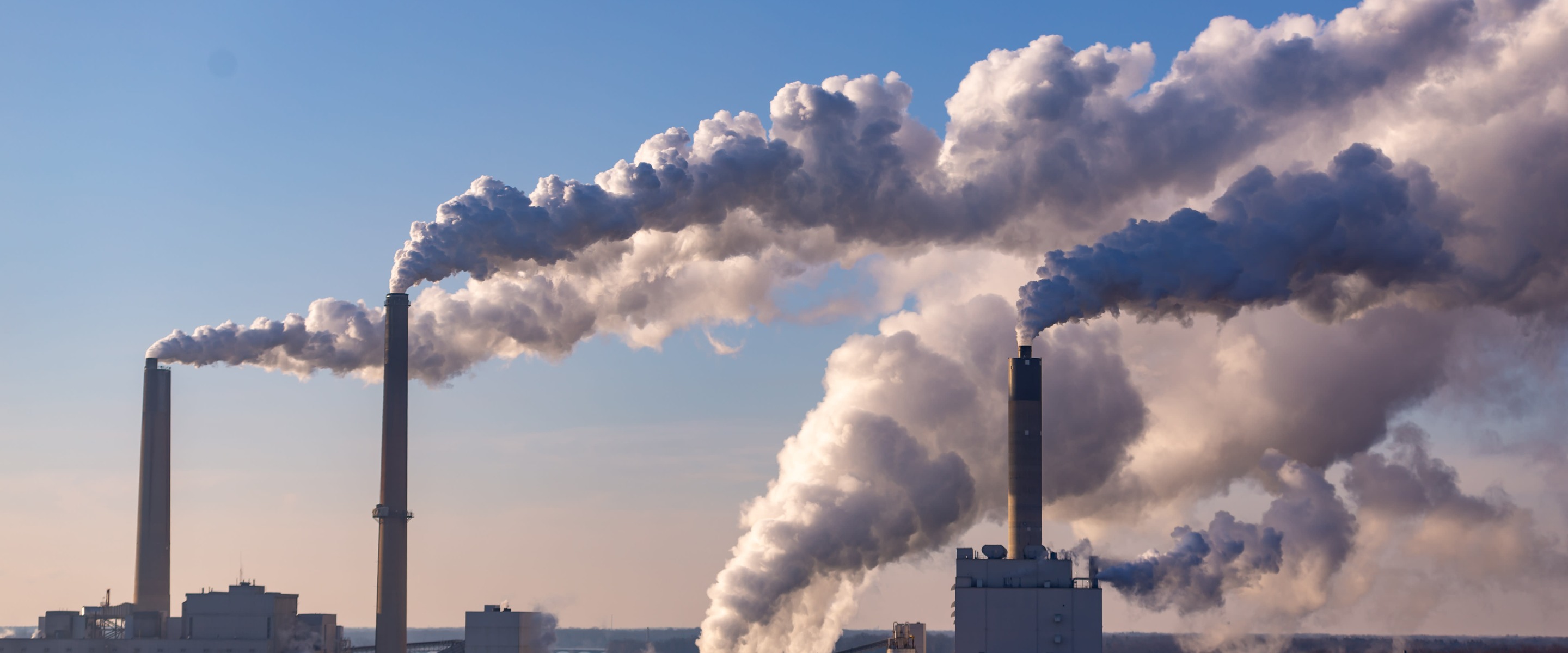
Nearly a dozen US states have introduced climate accountability or "polluter pays" legislation in 2026, building on Vermont's and New York's 2024 Climate Superfund laws. Both of those laws require fossil fuel companies to pay into a fund proportional to their historical greenhouse gas emissions, with the money earmarked for climate adaptation and infrastructure costs, essentially applying the same "polluter pays" logic used for toxic waste cleanup to climate damages.
California's AIR Act follows a similar model, but its framing is explicitly positioned as a response to insurers pulling out of high-risk markets as extreme weather drives up claims. That reframes the issue to a financial-stability one as regulators are increasingly treating climate liability as something that touches insurance markets, and not just emissions targets.
| Business Impact This signals a shift in how climate liability is being treated across companies: what used to be a reputational and disclosure issue is now carrying direct financial and legal consequences. For major emitters, this could mean multi-year payment obligations tied to historical emissions data. For insurers and investors with exposure to fossil fuel companies, it adds a new layer of financial risk that didn't exist a few years ago. What your team can do: • If you are in energy, insurance, or heavy industry, flag this trend now; the liability exposure has reputational risk and financial and legal implications • Track which states your company operates in that have introduced this legislation, since compliance costs and legal exposure could materialize faster than companies are prepared for • Consider how this changes the conversation, this is no longer an exclusively ESG talking point, it deserves the same attention as other liability exposures • This is worth incorporating into climate risk assessments for fossil fuel-linked holdings, since the regulatory trend line is toward more states adopting similar frameworks |
The developments in this edition reflect a market that is moving fast, and rewarding the businesses that move with it. If any of this week's stories raised questions about your organization's climate strategy, carbon commitments, or regulatory exposure, CarbonBetter is here to help you work through them. Get in touch with our team and let's talk about where you stand. And if you found this briefing useful, subscribe to our weekly newsletter with the same analysis, business impact guidance, and the sustainability insights your team needs to stay ahead, directly into your inbox.