Edition #10 | Your Sustainability Team’s Weekly Briefing
Get This in Your Inbox Every Week.
Like what you read? Get it delivered. Every week, our newsletter brings you the same business-focused sustainability briefing, straight to your inbox. Subscribe below and stay ahead.
Estimated reading time: 7 minutes
Google’s Solar Bet · Indonesia’s Record Credit Issuance · Sustainability’s Market Value
Welcome to your weekly sustainability briefing. This week, we’re covering three developments that show where climate-driven capital is actually flowing, even as policy debates continue elsewhere. Google just locked in the entire output of the largest solar project ever built in the US, before it was even under construction, a sign that clean energy is now core infrastructure strategy for the world’s biggest buyers. Indonesia just issued 30 million forestry carbon credits, its largest release ever, backed by a new national tracking system built to solve the trust problem that’s held the credit market back for years. And new market data confirms that sustainability-focused companies now hold nearly 10% of global market value and a growing share of M&A activity, with Walmart’s first-ever nuclear power deal adding another data point: even the most cost-disciplined companies are repricing energy risk.
Story #1: Capital Keeps Flowing Into the Clean Energy Transition
Big money is still betting big on decarbonization
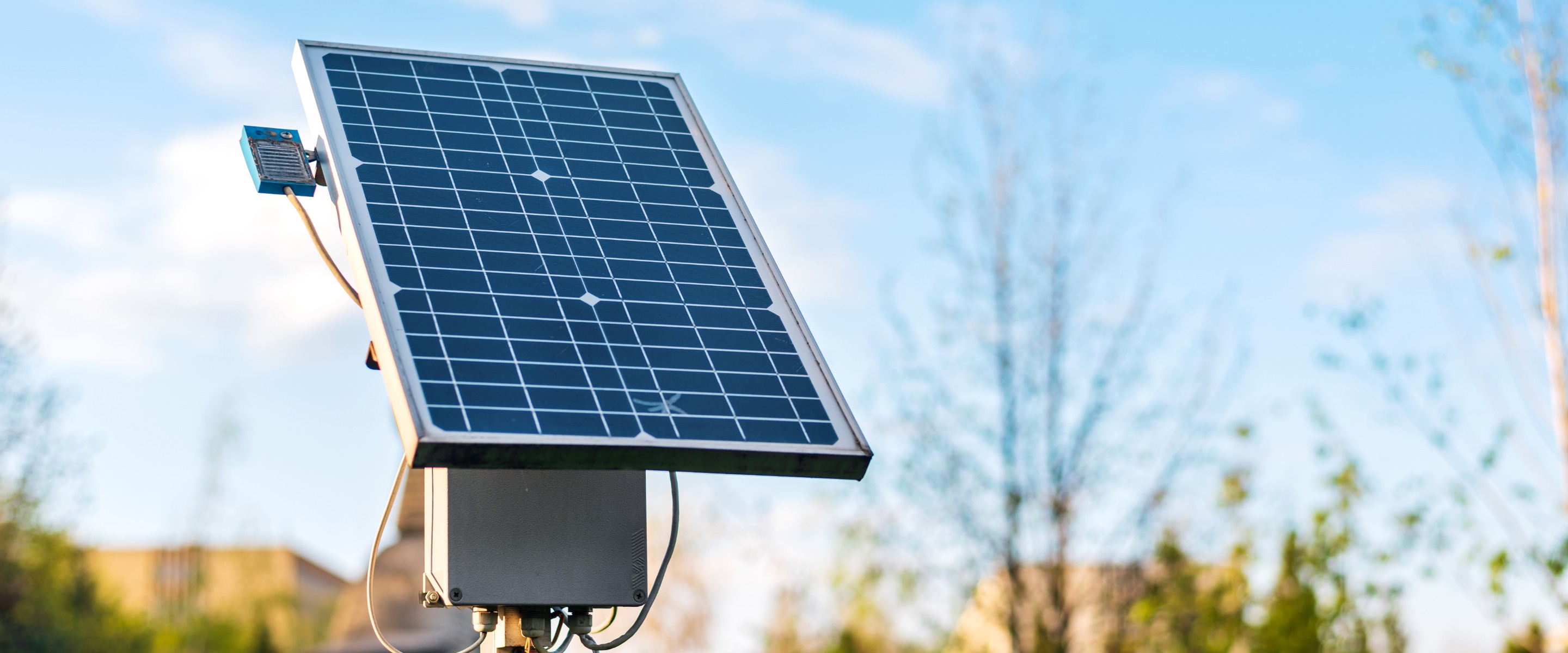
Google just agreed to buy all the power that will be produced by a new energy project in Arkansas called the Steel River Energy Center. That’s a big commitment, it means Google is locking in a long-term supply of power from this one project, which gives the project’s developers the financial certainty they need to build it. Around the same time, a startup called Gridcog (which builds software to help companies plan and manage their energy use) raised $10 million from investors, including a venture capital arm of the electrical company ABB. And an infrastructure investment fund called Quinbrook closed a new fund at £587 million (more money than they were originally trying to raise) specifically to invest in renewable energy projects.
Put together, these three case studies show that money is still moving toward clean energy from very different directions: a tech giant buying power directly, investors backing energy startups, and large funds raising money specifically for renewable projects. This matters because it’s happening at a time when climate policy in many countries has been getting more uncertain or even rolled back, yet the money keeps flowing anyway.
| Business Impact When large, mainstream companies, and not just "green" brands, commit serious money to clean energy, it signals that clean energy is becoming a normal, safe business decision rather than a risky or purely image-driven one. It also means more funding is available for clean energy projects and the technology that supports them, which can eventually make clean energy cheaper and more accessible for everyone, including smaller businesses. What businesses can do: • Look into signing a long-term contract for renewable electricity (sometimes called a power purchase agreement) to lock in a stable, predictable energy price and protect against future price spikes • Research energy management tools or software that can help track and reduce how much energy your company uses, this can cut costs even without switching energy sources • Keep a list of examples like these to use when talking to leadership, investors, or clients about why spending money on sustainability is a smart financial decision • If your company works with energy-intensive operations (manufacturing, data centers, logistics), start exploring what renewable options exist in your specific location or industry |
Story #2: Indonesia Released Its Biggest-Ever Batch of Carbon Credits
More trustworthy carbon credits are becoming available, especially from forest protection projects

Indonesia released more than 30 million carbon credits from forest protection and reforestation projects, the largest single release the country has ever done. Companies buy these credits to help offset emissions they can't yet eliminate on their own. Alongside this release, Indonesia also launched a new online system (called SRUK) to track and verify these credits more transparently.
This means buyers will have an easier time confirming that the credits they're purchasing are real, properly counted, and not being sold twice to different buyers, one of the biggest complaints people have had about the carbon credit market in the past. Indonesia's government described this as a shift from just talking about building a carbon market to actually having a working one, backed by new regulations.
Business Impact Many companies that buy carbon credits, either to offset their own emissions or to sell as part of a service, have faced growing pressure to prove that the credits they use are legitimate and high-quality. Bad publicity around fake or overcounted carbon credits has made some companies nervous about using them at all. This news is a meaningful sign that there are now more forest-protection credits available, and they come with better tracking to prove they're real. That makes it easier and safer for companies to include carbon credits in their climate plans. What businesses can do: • If your company buys carbon credits, verify whether they come from transparent registries, this makes it easier to prove legitimacy to your own stakeholders • Use this story as a positive talking point if clients, employees, or leadership have asked "aren't carbon credits risky?" it shows real improvement is happening • If you're building a portfolio of carbon credits (a mix of different types), consider adding more forest-protection credits now that trustworthy, verified options are becoming more available • Read our latest analysis on carbon credit market trends, covering retirement behavior over the past three years and where the market is headed. |
Story #3: "Green" Companies Are Becoming a Big Part of the Business
New data shows sustainable companies are winning real market value
New data from the London Stock Exchange Group found that companies focused on sustainability now make up almost 10% of the total value of all public companies worldwide. These "green" companies are also involved in more than 13% of all merger and acquisition deals over the past ten years. Sustainability-focused companies aren't a small side category anymore, as now, they represent a real, sizable chunk of global business value and dealmaking.
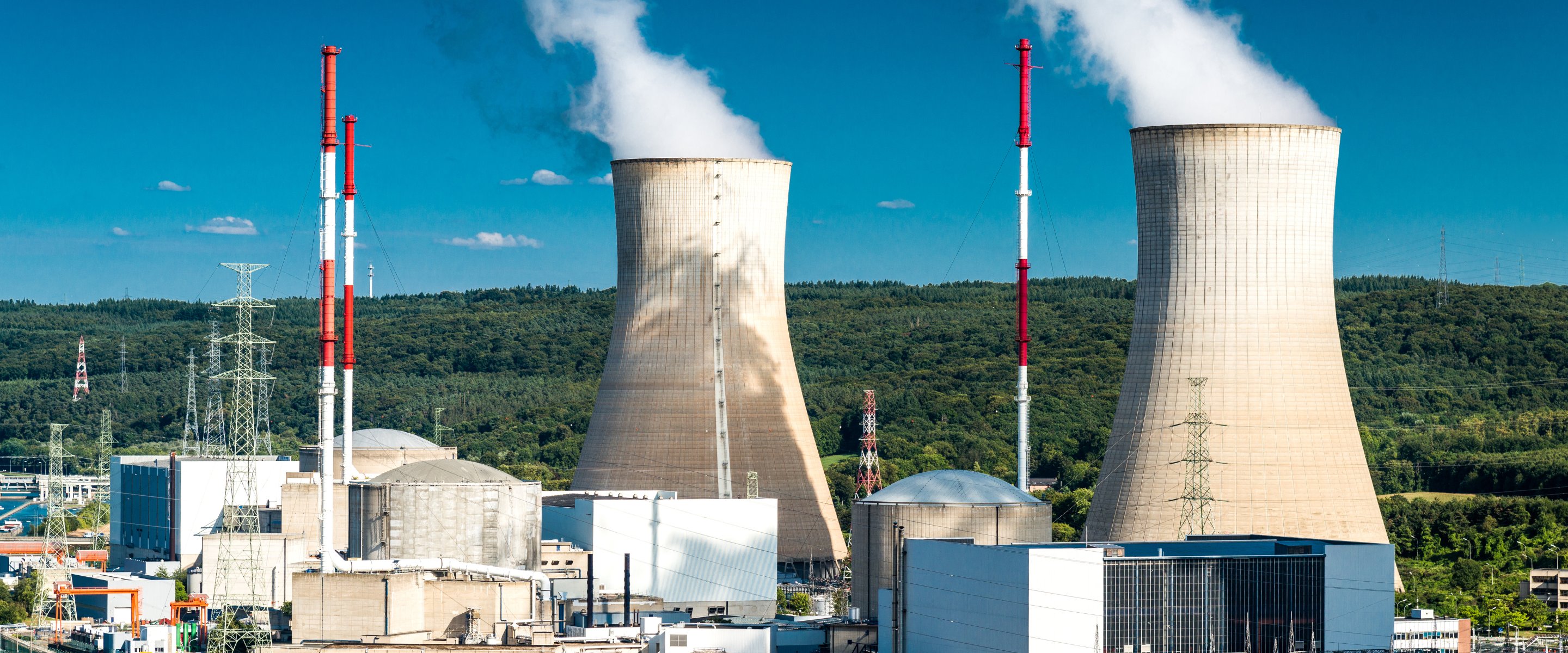
For example, Walmart, signed its first-ever deal to buy power from a nuclear plant, to supply its operations in Illinois. Walmart is noticeable for making decisions based on what saves money and reduces risk long-term. A cost-focused company choosing nuclear power is a strong signal about where energy costs and reliability are heading.
| Business Impact This data suggests that being sustainable is good for both the company's reputation, and it's increasingly tied to real financial value. Investors are choosing to put money into sustainability-focused companies, and buyers are choosing to acquire them, at a scale that's now hard to ignore. That means your company's sustainability efforts could directly affect how investors, buyers, or partners value your business, as well as, how customers perceive you. What businesses can do: • Use this data in conversations with leadership to explain why sustainability spending is a value-building investment • Look at what similar companies in your industry are doing on sustainability, especially any that have recently been acquired or received investment; it may show what investors are prioritizing • If your company relies heavily on electricity, research whether alternative energy sources (like nuclear, in Walmart's case) are available in your area and worth exploring for long-term cost savings and reliability • Consider highlighting your company's sustainability progress more clearly to investors or potential buyers, since this is increasingly a factor in how businesses are valued |
The developments in this edition reflect a market that is moving fast, and rewarding the businesses that move with it. If any of this week's stories raised questions about your organization's climate strategy, carbon commitments, or regulatory exposure, CarbonBetter is here to help you work through them. Get in touch with our team and let's talk about where you stand. And if you found this briefing useful, subscribe to our weekly newsletter with the same analysis, business impact guidance, and the sustainability insights your team needs to stay ahead, directly into your inbox.